Imagine… you’re out with friends, enjoying a delicious meal…
Suddenly, an urgent need strikes. You rush to the loo. Diarrhoea — with its loose stools and stomach discomfort — disrupts your plans and leaves you feeling miserable.
Beyond your immediate discomfort lies confusion. Was it the food or something you drank? What should you eat — or avoid eating — when diarrhoea hits? The people around you share their opinions and ‘cures’, but often, these are based on misinformation.
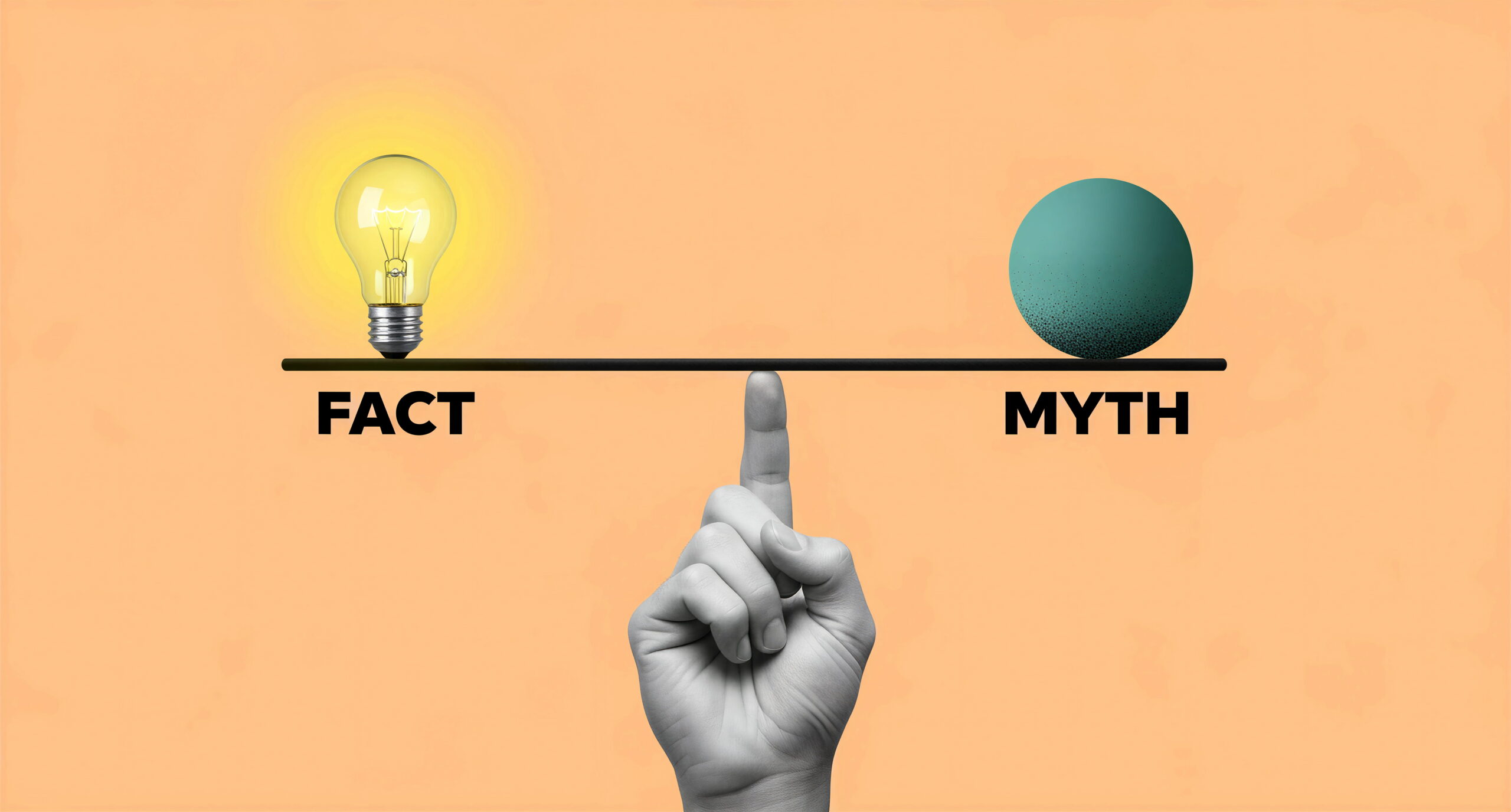
This article separates some facts from fiction and gives handy tips for managing (and preventing) diarrhoea.
Diarrhoea myth or fact? Spicy foods cause diarrhoea.
Spicy foods can indeed trigger diarrhoea in some people. The main culprit behind this is the chemical capsaicin, which is found in foods such as chillis. Capsaicin can irritate the digestive tract, leading to looser stools.
Sensitivity to capsaicin varies from person to person. So, steer clear if spicy food is a known trigger for you.
But for others, a little heat might not be the enemy. You should also consider if your food-related diarrhoea is due to food poisoning or another food intolerance.
Diarrhoea myth or fact? Drinking coffee worsens diarrhoea
We all know caffeine is the chemical driver of coffee’s stimulating effect. Caffeine is also found in some tea varieties, fizzy drinks, and headache-relief medicines.
While caffeine gives your brain a jolt, it can also stimulate the gut. Caffeine can cause faster intestinal movement and an increased urge to poo. Listen to your body and avoid it if it aggravates your diarrhoea.
If you continue your coffee habit despite your diarrhoea, drink plenty of other fluids to stay hydrated.
Diarrhoea myth or fact? You should avoid dairy products during diarrhoea
This one is less straightforward. Dairy products can cause gut irritation leading to worse diarrhoea in some people. The main culprit behind dairy-related diarrhoea is lactose intolerance. It can cause or worsen diarrhoea, causing bloating, gas, and loose stools.
But there’s one dairy food that may help you recover from diarrhoea. Yoghurt — particularly varieties with live and active cultures (probiotics) — can help restore the balance of good bacteria in your gut. More research is still needed into how effective probiotics are for diarrhoea.
Diarrhoea myth or fact? Not eating will stop diarrhoea sooner
Most experts do not support this view. Avoiding food altogether will not make diarrhoea go away faster. In fact, it could be counterproductive. Your body needs energy and fluids to help you recover from an episode of diarrhoea.
Avoiding greasy foods, however, may be wise if you have diarrhoea.
The best foods to eat during a bout of diarrhoea are those that are more bland and easily digestible. These provide essential nutrients without further irritating your gut. Don’t forget to couple your nutrient-rich foods with plenty of replenishing fluids.
Proactive steps to manage and prevent diarrhoea
When you’re in the middle of an attack of the runs, remember:
- Hydration is key: Diarrhoea can lead to dehydration. Drink plenty of fluids, especially water and electrolyte-rich solutions, to replenish lost fluids and minerals.
- Effective diarrhoea relief medications, like Gastro-Stop or Gastro-Stop PLUS, are available. These medications help slow down the movement of the intestines, so you won’t need to run so much to the loo.
- Chat with your pharmacist or doctor for more tailored advice and treatment options.
If your diarrhoea is severe, lasts more than a few days, or is accompanied by blood in your stool or fever, consult your doctor as soon as possible.
You can also take proactive steps to create a healthier digestive environment:
- Wash your hands frequently: Viruses and bacteria are common culprits behind diarrhoea. Frequent handwashing, especially before eating and after using the loo, is crucial for prevention.
- Travel Smart: When travelling, be mindful of food and water hygiene, especially in areas with high rates of foodborne illness. Opt for bottled water and thoroughly cooked meals, and avoid unwashed fruits and vegetables.
- Eat a Balanced Diet: Consume plenty of fruits, vegetables, and whole grains, which are rich in prebiotics – food for the good bacteria in your gut.
Creating a digestive health-friendly environment
By understanding the causes and myths surrounding diarrhoea, and taking proactive steps to manage your gut health, you can reduce the impact of diarrhoea.
Click on one of the following buttons to learn how the Gastro-Stop range of products may help with acute diarrhoea relief.