Food Intolerance

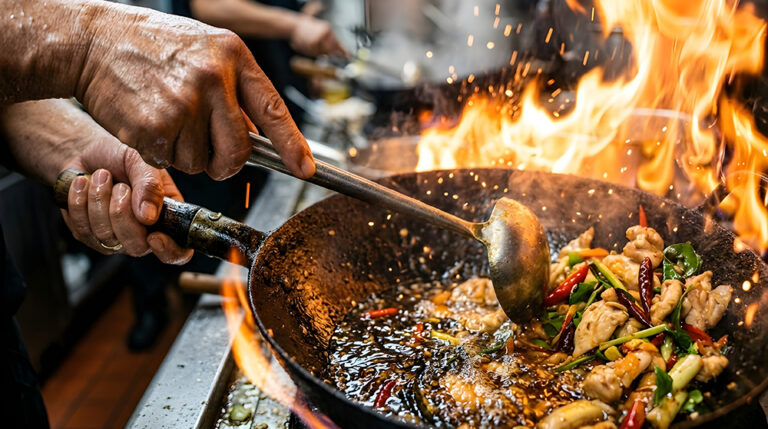
Chef cooking stir fry in a wok with flames
Close-up of woman experiencing stomach discomfort after eating,

What is Food Intolerance?

Food intolerances are sometimes confused with food allergies, but they are not the same. A food allergy involves the immune system and the resulting allergic reactions can be severe.

Food intolerance involves difficulty digesting or reacting to certain foods or drinks, without involving the immune system in the same way as a food allergy. Symptoms including diarrhoea, stomach pain, bloating and gas can affect your general health and well being.

People can be intolerant to a number of natural food ingredients, for example they can be intolerant to lactose in dairy foods. Other foods, such as caffeine and spicy foods also can cause food intolerance by acting as irritants in the digestive system. Gluten intolerance is as the name suggests a sensitivity to a type of protein that’s found in wheat and other foods.


Foods that may cause intolerance reactions in sensitive people include:

  • Dairy products (including milk, cheese and yoghurt)
  • Chocolate
  • Eggs (particularly egg white)
  • Flavour enhancers, eg. monosodium glutamate (MSG)
  • Food additives
  • Strawberries, citrus fruits and tomatoes
  • Wine (particularly red wine)

How do I know if I have a Food Intolerance?

Food intolerances can be difficult to diagnose and can sometimes be determined by eliminating certain ingredients from the diet and waiting to see if symptoms subside. As restricted diets can lead to inadequate nutrition, particularly in children, these ‘elimination diets’ are usually temporary and followed under strict medical supervision.

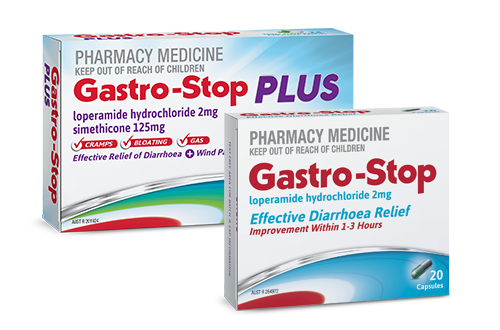
GASTROSTOP-20s_GASTROSTOP-PLUS-12s_LHS-View-2019_W500xH330px

Buy Gastro-Stop from your local pharmacy, supermarket or online

Where to buy