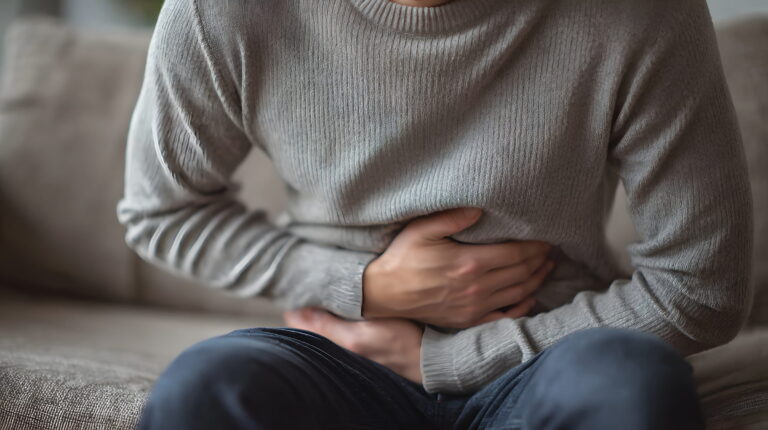
Thinking of heading overseas? Make sure you’re prepared for traveller’s diarrhoea before you leave.
Traveller’s diarrhoea is one of the most frequently reported illnesses among people travelling to certain destinations and many travellers experience symptoms that can disrupt plans.
Avoiding traveller’s diarrhoea is not just down to luck – the better prepared you are the more enjoyable the trip is likely to be. So, do some homework before you leave: look into the risks associated with where you’re going and the activities you’ll be doing, take precautions and know what to do if you do end up with diarrhoea.
Montezuma’s revenge, Bali belly… there are lots of names for traveller’s diarrhoea, but the outcome is the same – having to dash to the nearest toilet – and it all comes down to having picked up something ‘nasty’ usually from contaminated food or water.
Problems can often occur at the start of an overseas trip as you get familiar with the environment, food and water. However, Traveller’s diarrhoea can occur at any time during the trip, even after you get home.
Traveller’s diarrhoea is generally defined as having three or more bouts of loose, watery ‘poo’ in a 24-hour period or when you’re having to ‘poo’ twice as often as normal during a trip overseas.
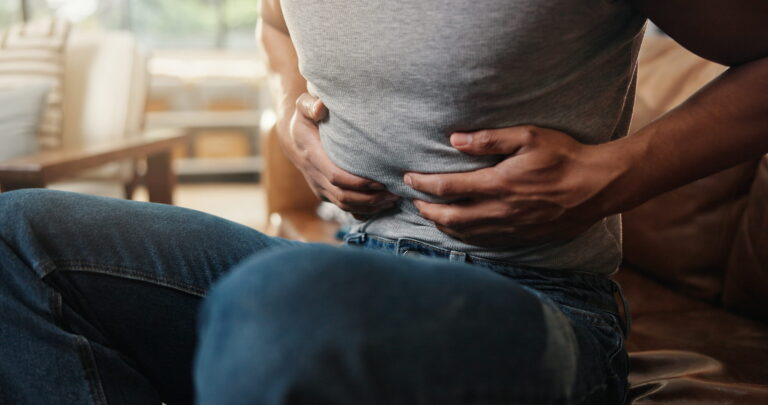
Bouts of diarrhoea can come on quickly along with other symptoms such as stomach cramps or pains, fever, nausea or vomiting.
While most people will start feeling better in 3-4 days without the need for any specific treatment, you have to be careful as dehydration is a common complication.

Traveller’s diarrhoea is a general term and covers diarrhoea caused by a variety of different micro-organisms. It’s most often linked to bacteria such as Escherichia coli (or E.coli), but it can also be caused by viruses and sometimes by parasites, picked up from contaminated food or water.
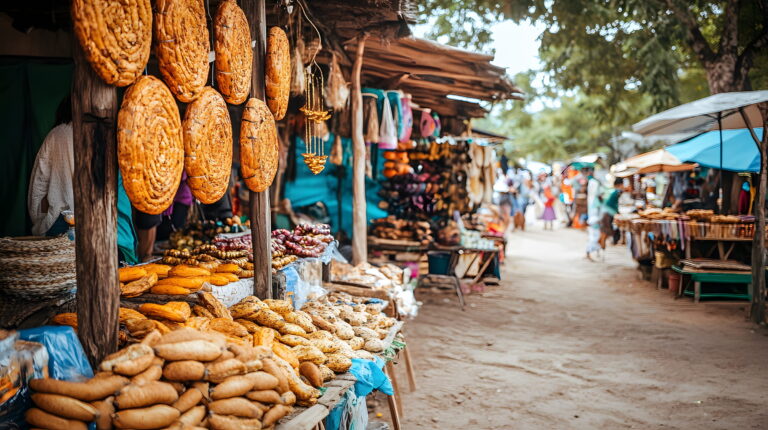
The chances of getting traveller’s diarrhoea depends on where you’re travelling to – the risk is higher if you are visiting a region or remote area where sanitation and food hygiene standards are poor (especially where climates are warmer) – such as West, East and North Africa, Central and South America or South and Southeast Asia. You can still get traveller’s diarrhoea in more industrialised areas – but the risks are lower.
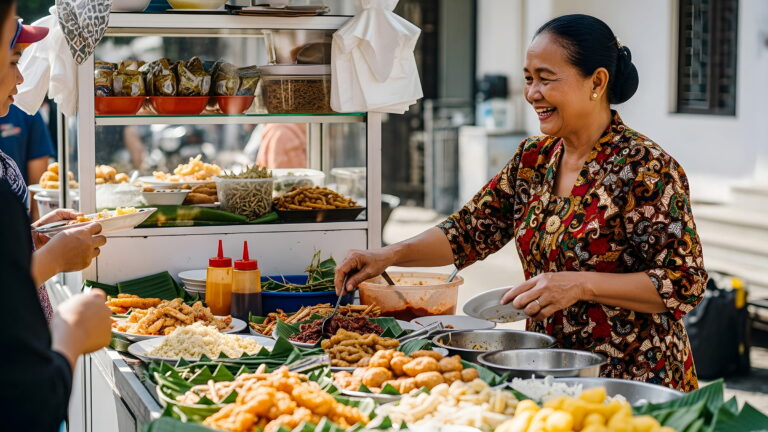
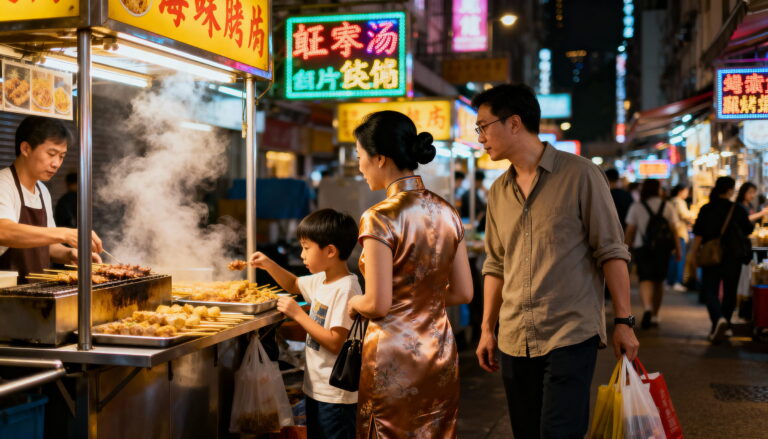
How do you prevent traveller’s diarrhoea? Be careful about hygiene and what you eat and drink – the standard advice for anyone travelling to high-risk countries is to ‘boil it, cook it or forget it’ and this includes:
It’s not always possible to avoid getting traveller’s diarrhoea – so if you’re unfortunate enough to come down with it, it’s important to know how to look after yourself.
In most cases, you’ll be able to manage diarrhoea yourself – but if your symptoms are severe or getting worse, or when young children, the elderly, those who are pregnant or those with other health conditions are involved, you need to seek medical care.