
Managing Diarrhoea

AdobeStock_121435505

Food

Food

Can managing your diet help with diarrhoea?

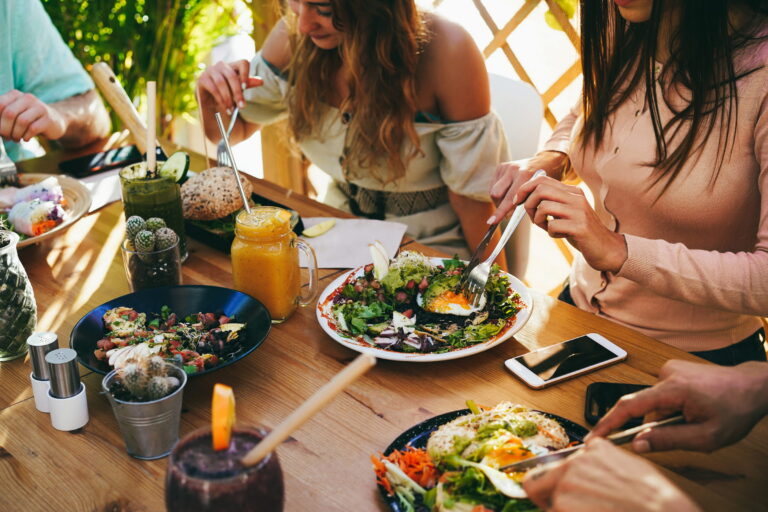
If you have diarrhoea it can often be difficult to know what and when to eat. Will it make it worse or should you be guided by appetite? There’s no clear answer, because everyone’s experience is different. It often depends on the cause of diarrhoea in the first place.

Know the foods that trigger your diarrhoea so you can avoid them.

AdobeStock_633685005

It’s not just about what you eat

Think about the way you eat too. Try smaller, more frequent meals throughout the day and rest after eating. Relaxing after eating can slow the rate at which food passes through the gut.

Food

Which foods may cause diarrhoea?

There are foods that are more likely to cause diarrhoea or thought to make it worse. Keeping a food diary, recording when you experience diarrhoea and what you had been eating, can help identify foods you may be sensitive to. Think about the following foods and whether they could be a trigger for your diarrhoea:

Creamy or fried foods can trigger diarrhoea if they pass through the digestive system without having been properly digested

Can cause loose stools for some people

Caffeine is found in tea, coffee and chocolate

When you have diarrhoea, lactose found in dairy foods may be hard to digest

Such as dried beans, corn and cabbage family vegetables

Such as sorbitol, mannitol, and xylitol – these are found in sugar-free gum, lollies and some medications

Fruits and juices contain fructose and it can be added to foods and drinks

Such as dried figs, dates, raisins and prunes

Aim to sit for 20 to 30 minutes after a meal to allow your food to digest

Food

Management of acute diarrhoea

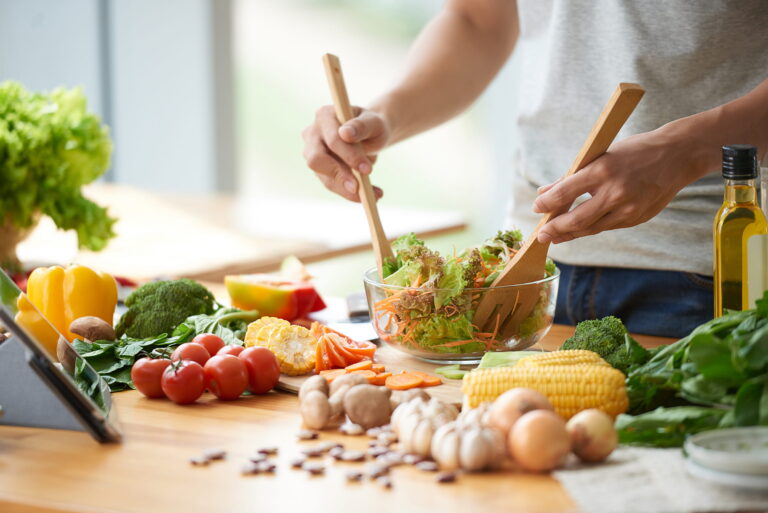
If you do have acute diarrhoea, whatever the cause, you may find the following foods help introduce you back to your normal eating routine:

It’s important to remember that if you are limiting your diet, it can put you at risk of nutritional deficiencies so always check with your healthcare professional before making significant changes to your diet to help manage your diarrhoea.

AdobeStock_870715432

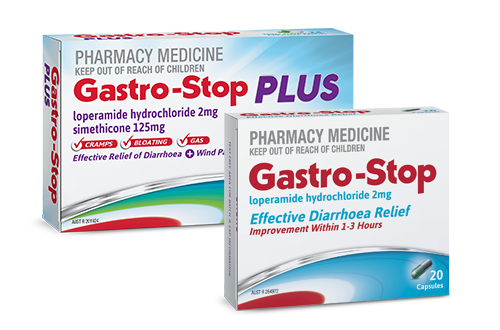
Find relief with Gastro-Stop

Where to buy

Drink

drinks

What drinks should you avoid with diarrhoea?

It’s not just food, but drinks can also be the cause of diarrhoea or make symptoms worse.

It’s important to remember that if you are limiting your diet, it can put you at risk of nutritional deficiencies so always check with your healthcare professional before making significant changes to your diet to help manage your diarrhoea.

AdobeStock_1215220784
AdobeStock_1783198201
drinks

Rehydrating your body

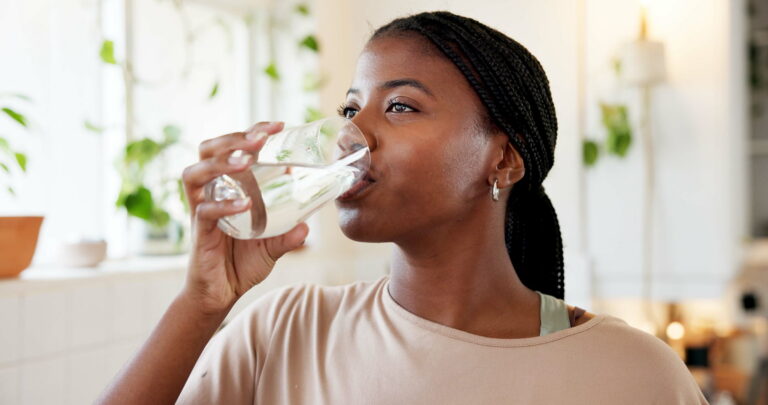
Drinking water is top priority – to replace fluids, or prevent dehydration, a specially formulated oral rehydration solution is recommended.

If you find it difficult to keep liquids down, or if your diarrhoea persists, see a healthcare professional. Dehydration can quickly become an issue especially with young children so don’t hesitate to seek medical advice.

Find relief with Gastro-Stop

Where to buy

Exercise

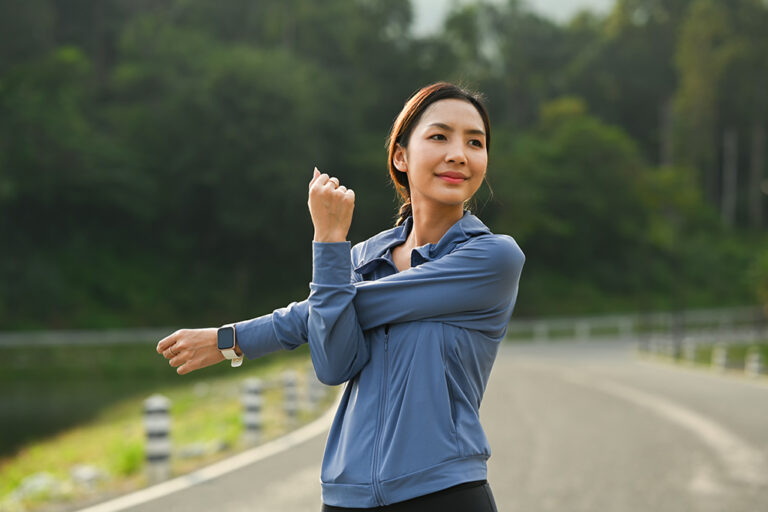
Sporty asian woman in sportswear stretching warming up her body before running in the green park
exercise

Can exercise help relieve stress-related diarrhoea?

If you feel that stress or anxiety is the cause of your diarrhoea, then exercise can be a useful way to help manage it. Regular aerobic exercise has been shown to relieve stress, lower anxiety, and improve sleep.

A single bout of exercise can help ease anxiety when it strikes.

exercise

Can exercise cause diarrhoea?

Although exercise is recognised as having significant benefits for our health, there is evidence that certain types of exercise can contribute to digestive issues, including diarrhoea.

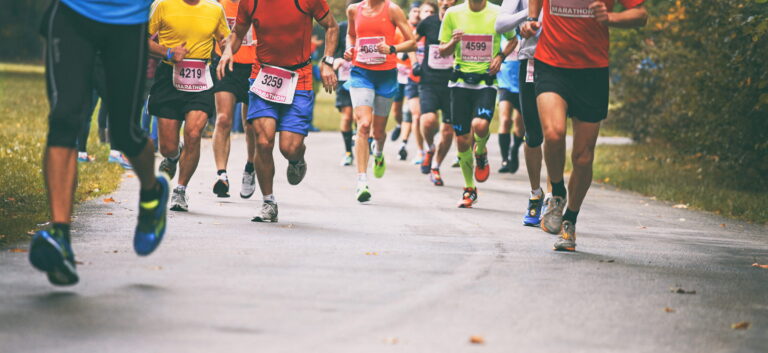
For example, it’s common for long-distance or marathon runners to experience urgency with diarrhoea. There’s a number of possible causes, including a drop in blood flow to the bowel during extreme exertion, or an increase in the rate that the bowel contents are moving through the gut.

AdobeStock_161211109

Daily meditation sessions – even just 20 minutes – can decrease stress

AdobeStock_1892171529
exercise

Managing diarrhoea when exercising

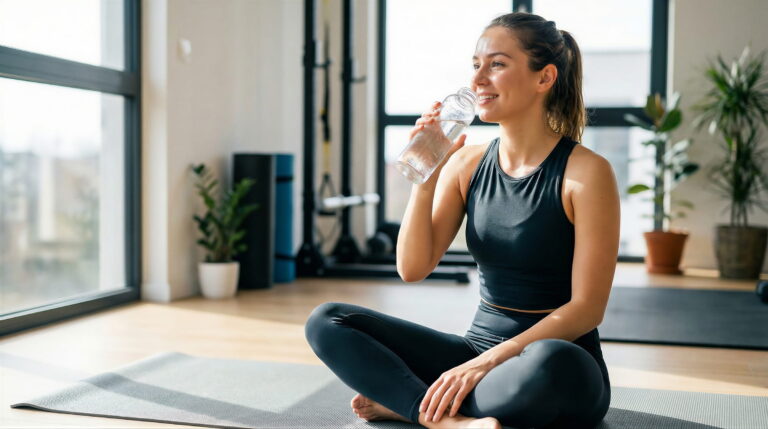
If your symptoms are mild and only occasional, altering your exercise routine may help. That may involve reducing the intensity of exercise and adjusting the timing of when you eat in relation to exercise.

Find relief with Gastro-Stop PLUS

Where to buy

Travel Advice

Travel advice

Travel advice

Traveller’s diarrhoea affects millions of people who travel each year. It can occur anywhere.

Take steps to avoid Traveller’s Diarrhoea

AdobeStock_493761101
AdobeStock_833292838
travel advice

Be prepared with
Gastro-Stop or Gastro-Stop PLUS

Pack Gastro-Stop or Gastro-Stop PLUS before you leave home in case you do get gastro when you’re away, and make sure you also take some oral rehydration sachets for your next holiday. If you do find yourself struck down with diarrhoea, remember to stay hydrated and drink plenty of fluids. If you have other symptoms such as a fever or notice blood in your stools, make sure you seek medical advice first before taking any anti-diarrhoea medications.
About Traveller's Diarrhoea
GASTROSTOP-20s_GASTROSTOP-PLUS-12s_LHS-View-2019_W500xH330px

Buy Gastro-Stop from your local pharmacy, supermarket or online

Where to buy