Treating Diarrhoea

AdobeStock_733466101

4 in 10 Australian adults surveyed reported experiencing diarrhoea in the previous 12 months#

What is Diarrhoea?

If your digestive system becomes irritated and goes into overdrive, then this can lead to water and nutrients moving too quickly through the intestines. The result? Watery, loose stools that we know as diarrhoea.

It’s not only unpleasant, but diarrhoea can be uncomfortable too, especially if you also suffer from gas-related symptoms such as bloating, cramps and wind.

The most common cause of acute or sudden diarrhoea is infection of the digestive system. Gut infections (gastroenteritis) can involve viruses, bacteria or parasites. There are other causes of short-term diarrhoea that are not infectious like changes in diet, food intolerances, stress and side effects from certain medications

Whatever the cause of diarrhoea, you want to relieve the symptoms so that you can get back to your day with as little interruption as possible. 

AdobeStock_743936311

When to see your doctor

Symptoms of acute gastro can develop quickly but usually resolve in a couple of days. Diarrhoea that persists for longer than 4 weeks can indicate an underlying medical condition so it is important to speak to a healthcare professional for medical advice.

It’s very important to rehydrate if you have diarrhoea. If you find it difficult to keep liquids down, or if your diarrhoea persists, see a healthcare professional. Dehydration can quickly become an issue especially with young children so don’t hesitate to seek medical advice.


Why treat diarrhoea?

As water is lost from the body through diarrhoea, there is a risk of becoming dehydrated. This can happen quickly, especially in babies, young children and the elderly. Rehydration should be a priority for anyone who has diarrhoea.

Rehydrate Now!

Drinking water is top priority – to replace fluids, or prevent dehydration, a specially formulated oral rehydration solution is recommended.

It’s very important to rehydrate if you have diarrhoea. If you find it difficult to keep liquids down, or if your diarrhoea persists, see a healthcare professional. Dehydration can quickly become an issue especially with young children so don’t hesitate to seek medical advice.

How to treat diarrhoea?

If you have diarrhoea, you need to rehydrate. That’s because water and electrolytes are lost through diarrhoea.

Drinking water is top priority – to replace fluids, or prevent dehydration, 
a specially formulated oral rehydration solution is recommended.

Try to avoid drinks that contain caffeine such as coffee or tea as they may increase bowel movements.

AdobeStock_1875180432
AdobeStock_233132775

Should I eat when I have diarrhoea?

Some people think that they should avoid solid food when they have diarrhoea, but this is not always necessary. If you want to eat, it is best to avoid large, fatty, spicy or heavy meals as they can make diarrhoea worse. Try to have small light meals and stick to starchy foods such as banana, rice and bread.

If you find it difficult to keep liquids down, or if your diarrhoea persists, see a healthcare professional. Dehydration can quickly become an issue especially with young children so don’t hesitate to seek medical advice.

When to treat diarrhoea?

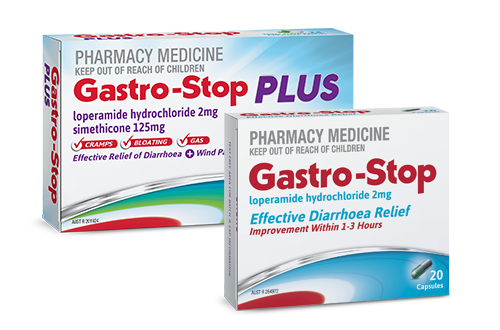
Days are precious when you’re on holiday or when you’ve got a big event coming up. Maybe it’s a wedding, dinner with the in-laws or a job interview. Whatever it is, the last thing you need is a bout of diarrhoea to spoil your day. So don’t put up with diarrhoea and any associated wind pain or bloating. Help stop it with Gastro-Stop PLUS. You can start to treat when symptoms first appear. See your doctor or pharmacist before taking Gastro-Stop or Gastro-Stop PLUS if you have a fever, severe stomach pain, bloody diarrhoea or ongoing condition affecting the bowel.
GASTROSTOP-20s_GASTROSTOP-PLUS-12s_LHS-View-2019_W500xH330px

Buy Gastro-Stop from your local pharmacy, supermarket or online

Where to buy